
Enzyme Bath
Be the first in your city to offer Japan’s fermented bath.
Learn it hands-on in Miyama, Kyoto, from the team behind 80+ enzyme bath
openings in Japan — then open at home with us beside you.
What is the Japanese-origin bathing method, “Enzyme Bath”?
The Reasons It Endures and Its Benefits
Born in Japan and cherished through the ages,
this traditional bathing experience continues to thrive in modern times.
Without the use of gas or electricity, rice bran and fine cypress sawdust generate natural heat solely through the power of microbial fermentation. Like a sand bath, you are gently buried in this warmth.
No water, no gas, no electric heaters — just a deep, dry, enveloping warmth, unlike a sauna. The bath itself takes 15–20 minutes, within a 60–90 minute visit.
Outside Japan, very few places offer an authentic enzyme bath. Saunas and bathhouses are everywhere; this is still rare — so the first one in your city stands out. And because it runs on local by-products and returns used material to the land as compost, it is a business that grows together with its community.


History
A bathing method born from
the wisdom and ingenuity of Japanese farmers.
The origins of the enzyme bath are said to stem from the resourcefulness of Japanese farmers, though various theories exist. To survive the harsh winter cold, they would immerse themselves in fermenting compost that naturally generated heat. This fermentation warmth reached them to the core, and people kept coming back to it. From these humble beginnings, the enzyme bath spread throughout Japan, becoming cherished as a traditional bathing method.
Concept Movie
The reasons it endures and its benefits
Born in Japan and passed down through generations,
this traditional bathing method continues to thrive in modern times.
A bath that’s alive.
In Japan, interest in deep-warming self-care (“onkatsu”), fermentation culture and natural beauty keeps growing. Enzyme baths have become part of that movement — not as a one-time novelty, but as a habit. Many guests visit once or twice a week, or once or twice a month. Below is what guests at our shops in Japan tell us they enjoy.
What You Can Experience
in Just One Try

Smooth, Soft Skin
Guests often tell us their skin feels smooth and soft after being enveloped in cypress and rice bran — especially after a gentle rice-bran scrub.

A Refreshing Sweat
In just 15–20 minutes of natural fermentation heat, guests sweat generously and leave feeling refreshed — even from the very first session.

Warm to the Core
The warmth wraps the whole body and stays with you long after the bath. Guests who often feel cold say this is the warmth they look forward to most.

Deep Relaxation
Surrounded by the scent of wood and a gentle, natural warmth, guests step away from daily life and spend quiet time with themselves.
Why Guests Keep Coming Back

A Weekly Ritual
Many guests make the enzyme bath part of their routine — once or twice a week, or once or twice a month. It becomes a habit, not a one-time experience.

Feeling Light and Refreshed
Guests who rarely sweat, even in summer, tell us they look forward to the feeling of lightness after each visit.

A 90% Repeat Rate
At our shops, around 90% of guests come back — proof of consistent fermentation quality and hospitality, and the foundation of a stable business.
* These are experiences shared by guests in Japan. Experiences vary from person to person.
The Business in Numbers
80+
Openings supported in Japan
Up to 14
Guests a day with just 2 tubs
About 90%
Repeat rate at our shops
Up to 3 months ahead
Bookings at our Kyoto shop
About 4 guests a day
Break-even (Japan example)
15–20 min / 60–90 min
Bath time / visit
Fermentation only — no gas or electric heaters
Heat source
A small team can run the shop
Team size
Figures from our shops and supported shops in Japan. Results in your country will depend on location, pricing and costs.
The full cost breakdown and business simulation are in the free program guide.

Enzyme bath business using local resources
The heat comes from fermentation, not fossil fuels. Local by-products such as sawdust and rice bran become bathing material, and used material goes back to farms as compost. A bath with a story rooted in local resources earns empathy from guests, communities and local governments alike — and gives your shop a reason to be talked about.

We Are
From Miyama, Kyoto, we share the unique appeal of fermentation baths with the world.
We run the enzyme bath “Hakkou Ningen” in Kyoto and Osaka and have supported 80+ enzyme bath openings across Japan. Our baths are known for minimal odor and consistent quality, a repeat rate of around 90%, and bookings up to three months in advance.
We are now preparing our first overseas shop in Los Angeles, USA. We bring the same know-how and fermentation data overseas — helping you choose local materials, build a fermentation environment suited to your climate, and keep quality stable after you open.
Vision
Connecting the Japanese Enzyme Bath Tradition to the Future

01Living in Harmony with Microorganisms
Both the Earth and humans maintain their health through coexistence with microorganisms. They enrich the soil that nurtures our crops, the forests that purify our water, and even the microbiome in your gut. Yet, modern life has gradually distanced us from these vital organisms. Through enzyme baths, we hope to offer a way to reconnect with microorganisms and restore natural health.
02Creating a Sustainable Cycle that Respects Resources and Microorganisms
The enzyme baths we create are entirely natural, using only the heat generated by microbial fermentation, without artificial energy. The cypress sawdust and rice bran used in the baths are naturally heated by microorganisms, free of fossil fuels. After use, the enzyme bath materials are not discarded; they are repurposed as compost by contracted farmers across Japan, contributing to a sustainable system that benefits both the Earth and its people.


We’ve received numerous positive testimonials from our international customers.

Amazing!
from Sweden

My daughter and I had the pleasure of trying an enzyme bath experience at Hakkou Ningen when we were visiting Kyoto.
It was an amazing experience like nothing we had tried before. It reinvigorated both body and mind and the skin felt soft and smooth for days.
The owners Souta and Hiroko were very professional, accomadating and welcoming. They explained the process in English and were very attentive to our needs and took care of us from beginning to the end.
We can very much recommend a visit to Hakkou Ningen Enzyme Baths if you are visiting the area. Make sure to book ahead of time since it’s very popular!

truly valuable experience.
from NYC

It was an amazing experience, as it is a service unique to Japan that is not available in America.
After scrubbing with the enzyme bath powder, my whole body felt smooth. It was warm and refreshing. I was also impressed by the high level of hospitality that is so typical of Japan.
I recommend it!

I'd never seen before.
from USA
I searched on Google Maps and was surprised to see a bath.
I'd never seen before.
When I went in, I was surprised at how hot it was, unlike a sauna.
I was also surprised at how it relieved my body's fatigue after a sports competition.
It's a shame it's only available in Japan.
If I come to Japan again, I'll definitely go in!
Having been involved in the enzyme bath business for many years, we’ve consistently heard from our overseas guests how amazed they are by the experience, with many expressing, “I want to bring this back to my country!” Now, we finally have the technology to deliver the authentic enzyme bath experience abroad.
Would you like to open a business with enzyme baths?
Why learn from
Hakkou Ningen?
An enzyme bath isn’t a business you can start just by buying equipment. The heat comes from living microbes, and fermentation shifts with temperature, humidity, materials, season and guest numbers. Heat that won’t rise, odors, unstable quality — these are where new shops stumble. That is what our program is built to prevent.

01Know-how from 80+ openings in Japan — and next, Los Angeles
Having supported more than 80 enzyme bath openings, we know exactly where new shops tend to stumble. We share that experience just as it is, and we are now preparing our first overseas shop in Los Angeles, using locally sourced materials.
* Support is available in Japanese and English.
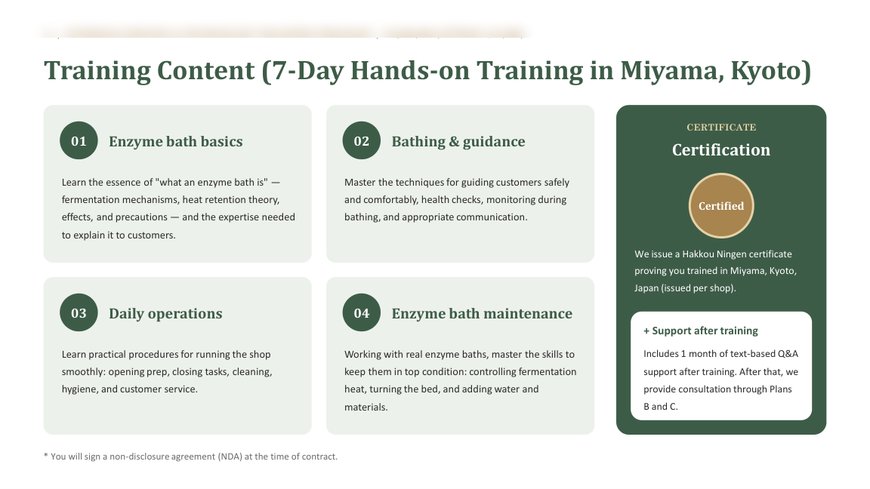
027-Day Hands-on Training in Miyama, Kyoto
Work with real fermentation beds in a shop that is booked months ahead. Four modules: enzyme bath basics, bathing & guest guidance (including health checks), daily operations, and maintenance (controlling heat, turning the bed, adding water and materials). You receive a Hakkou Ningen certificate proving you trained in Japan, plus 1 month of Q&A after training.
* Travel, accommodation, meals, interpreter and local transport are at your own expense.


03Local Fermentation Setup and Year-round Care
Fermentation varies by country, climate and materials. With our optional support, Japanese experts help you select local materials (or arrange shipping from Japan), build a fermentation environment suited to your space, train on-site at your shop, and manage fermentation with you year-round — including seasonal adjustments and troubleshooting when heat drops or odors appear.
04Minimal Odor, Consistent Quality
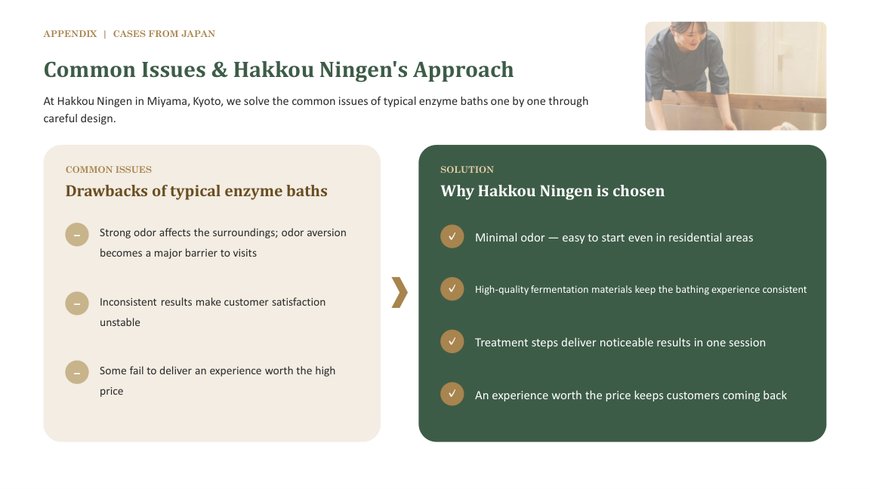
Odor is the most common problem with enzyme baths — and a major reason guests stay away. Our baths are known for minimal odor, so they are easier to run even in residential areas. High-quality fermentation materials and careful treatment steps keep every guest’s experience consistent.
05Not a Franchise — Your Shop, Your Brand
We don’t sell franchises. You learn from us, get certified, and open under your own shop name and concept. No franchise structure and no brand rules imposed from Japan — just the know-how and support you need to run an enzyme bath of real quality.
Backed by research in Japan
Our Academic Partner
We study the enzyme bath together with a Japanese university.
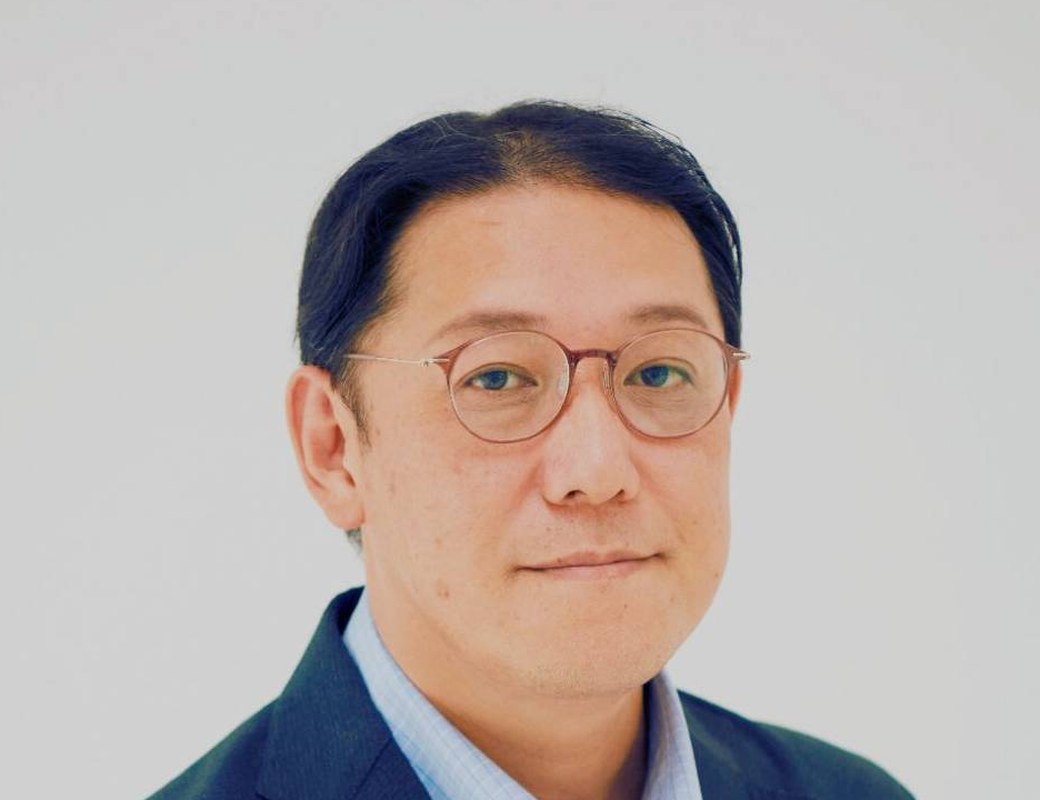
Prof. Kazunori Ito
Professor, Faculty of Acupuncture and Moxibustion, Meiji University of Integrative Medicine (Nantan, Kyoto — the same city as our Miyama training facility)
Director, Japan Enzyme Bath Association
Prof. Ito has spent many years in research and education in Eastern medicine. Together with Hakkou Ningen, he explores what the enzyme bath can offer — through joint research with Meiji University of Integrative Medicine and presentations at academic conferences. Every month, we publish a column with him on the enzyme bath and yojo, the Japanese tradition of everyday self-care.
Read Prof. Ito’s columns:
→ Expert Column: Getting Used to the Heat — Easing into Summer with a Fermentation Bath
→ Expert Column: Getting Ready for the Summer Heat — A Fermentation Bath as Summer Preparation
→ Expert Column: A Restful Pause in the Rainy Season — Daily Yojo with a Fermentation Bath
Voices from owners we supported in Japan
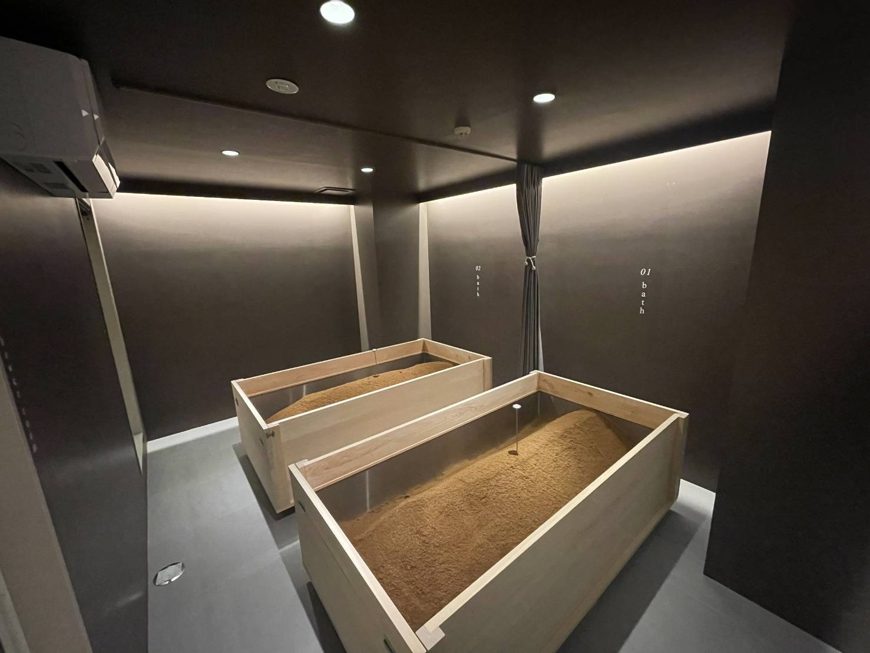
The best temperature, scent and texture I tried
Koso Onyoku Biyori Urara, Japan

Before choosing support, I tried enzyme baths all over. Hakkou Ningen’s was the best in temperature, scent and texture — I almost proposed on the spot: “Please support me!”
They advised on everything, from our concept and guest flow to hygiene. I expected strict training, but it was full of laughter and love for fermentation. Even after opening, they share advice generously.
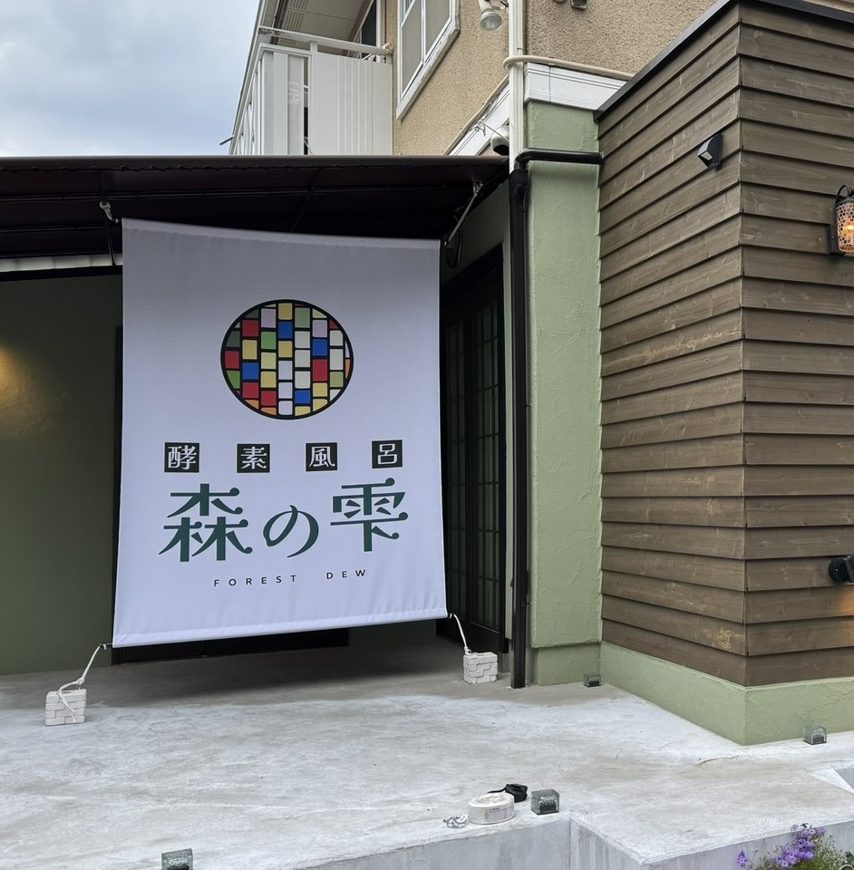
Stable fermentation, even in our first summer
Mori no Shizuku, Japan
As a financial consultant, funding and business plans were my field — but fermentation, menus and staff training were completely new to me.
With step-by-step guidance, we welcomed guests with stable fermentation even in our first summer. They truly understood our concept of a refined, calm space, and guests tell us it feels like a luxurious escape from everyday life.
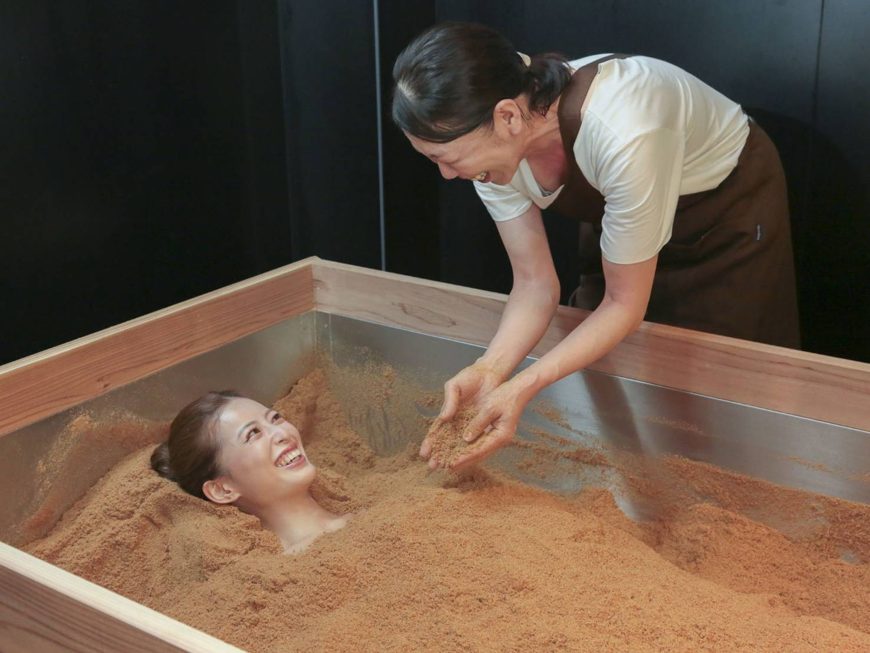
No experience — but never alone
Koso SPA PONO, Japan
I started from zero. At first I didn’t even know what I didn’t know.
Through regular messages, online meetings and on-site training, I learned step by step and cleared each challenge one at a time. The on-site training let me picture the shop after opening, so I faced opening day without worry. Even now, they reply quickly whenever I have a question.
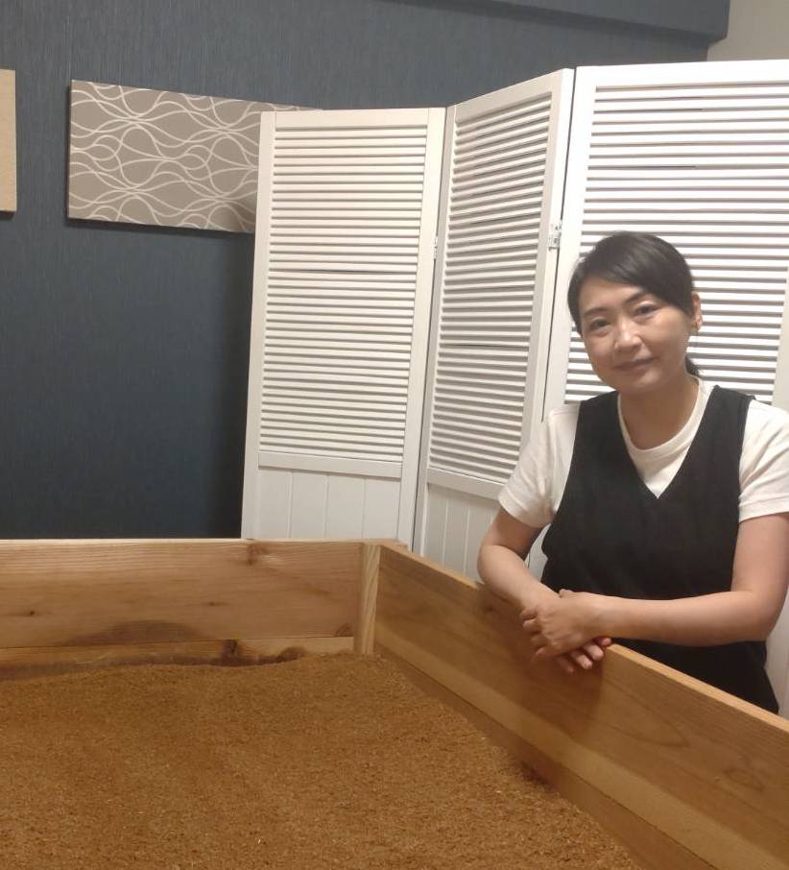
Running smoothly, even in an apartment room
Private Salon Repos, Japan
I had been going to enzyme baths for over ten years, and this was the first time a cypress-and-rice-bran bath felt so hot and refreshing.
Our salon is in a room of an apartment building, where temperature and odor control are not easy. They keep supporting us, so we operate with confidence. Most important for me: I can ask them anything.
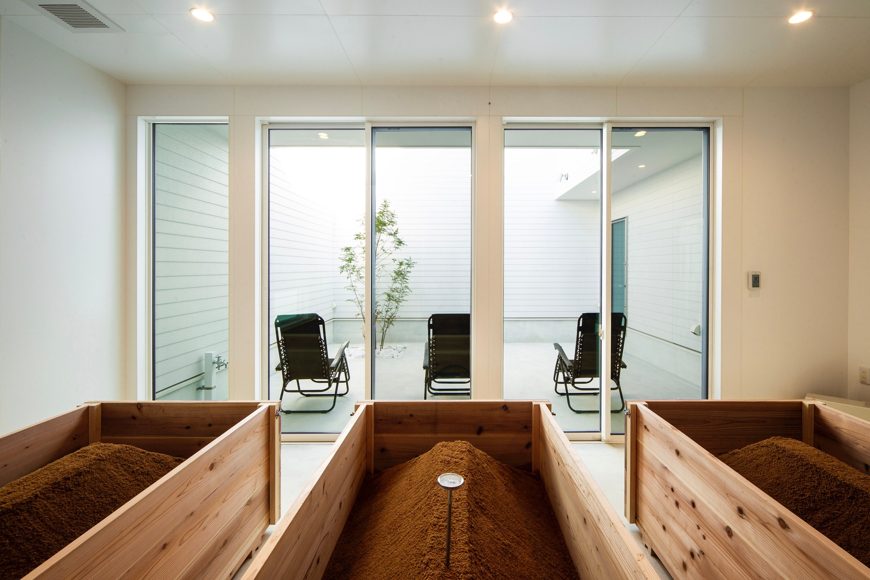
Preparation became something to look forward to
SAN&LAPIS, Japan
I compared many opening support services, and Hakkou Ningen stood out for its honesty and warmth.
They didn’t just help with procedures — their knowledge, from enzyme baths to concrete business advice, let me prepare with real peace of mind. Opening became something I looked forward to, not a burden.
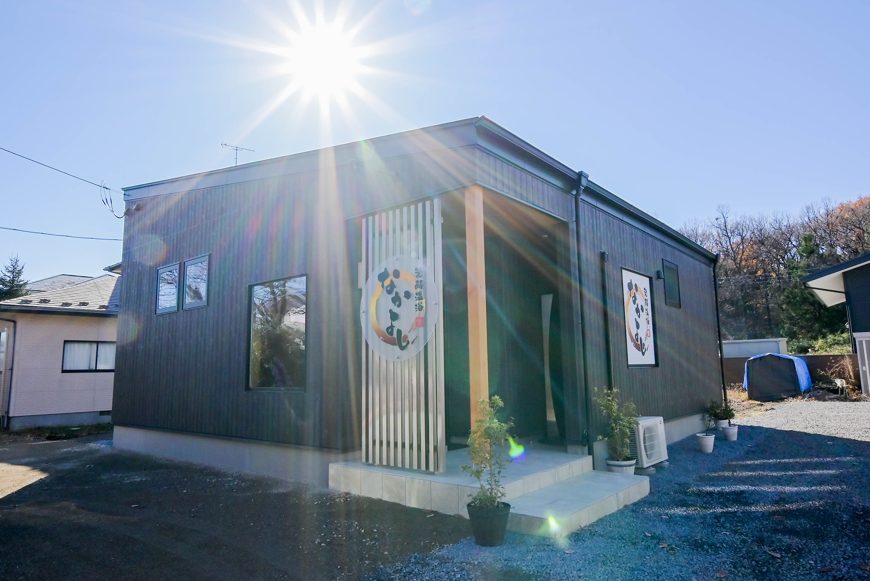
From office worker to owner
Hakko Onyoku Nakayoshi, Japan
After many years as a company employee, starting from zero felt a little scary. Their passion and warm support meant I even enjoyed the preparation.
Now, guests’ smiles and words like “I always feel energized here” keep me going every day. They are still beside me after opening, so I never have to carry everything alone.
Every one of these owners opened under their own shop name and concept — from a stand-alone house to a room in an apartment building. Each shop has signed an NDA with us, so owners cannot share our know-how; if you visit one, please come as a regular guest.
Plans
Plan A gives you everything you need to open.
B and C add local fine-tuning by our experts.
Opening & Technology Transfer Program
7-day hands-on training in Miyama, Kyoto (4 modules) / all the know-how needed to open / certificate of training in Japan / 1 month of text Q&A after training / up to 2 people per shop / NDA to protect the techniques.
Opening Support (option)
Training manual provided as data / help selecting local materials / help arranging material shipping / building your fermentation environment (interior, space, air conditioning) / on-site training at your shop. On-site travel, lodging and interpreter costs are extra.
Why it matters: if fermentation won’t settle and opening slips by a month or two, fixed costs such as rent and wages keep running while you have no sales.
Annual Fermentation Care (for B participants)
Annual or monthly plans. Ongoing fermentation management with our experts, advice when heat drops or odors appear, and adjustments for seasons and guest numbers.
1-Day Trial Plan in Miyama — ¥100,000 (approx. US$700)
Not sure yet? Visit before you sign: a tour of the training facility and enzyme baths, a meeting with your instructors, a training overview and an equipment pre-lecture. Interpreter not included.
* Pricing for each plan, package discounts and a business simulation are in our program guide. Download it with the button below.
* Additional directly managed shops are available under a separate license. Franchising, sublicensing or reselling the know-how is not permitted.
* Accommodation, meals, interpreter and local transport are not included.
What’s inside the free program guide

Plans & pricing Pricing
Pricing for Plans A, B and C, what each plan includes, package discounts, and the cost of additional shops — all in one place.
Business simulation Numbers
Monthly expenses and initial investment for a two-tub shop in Japan, how sales are calculated, the break-even point, and three occupancy scenarios with payback periods.
Training curriculum Training
The four modules of the 7-day training in Miyama, Kyoto, the certificate, and the support you receive after training.
Know-how from Japan Know-how
Common issues of typical enzyme baths and how we solve them, our core customers in Japan, and a real day at a shop — from opening prep to closing.
The program guide is free. Send us a message on WhatsApp, and we will send it to you within three days.
In your country too, experience
Japan’s enzyme bath.
Get the free program guide: pricing for each plan, a cost breakdown, a business simulation and the full training curriculum. Sent to you on WhatsApp within three days.


program guide
Flow
From first message to opening day
Here is exactly what happens, step by step.

Message Us (Free)
Send us a message on WhatsApp. Tell us your goals, location, scale and timing.
Receive the Program Guide (Free)
We send you the full program guide: plans, training content, cost breakdown, a business simulation and terms.
Online Consultation
We review your plan, local climate and materials, and explain which plans fit. Available in English or Japanese.
1-Day Trial Visit in Miyama (Optional)
See the facility and enzyme baths, meet your instructors and get an equipment pre-lecture before you commit.
Contract, NDA and 7-Day Training
Sign Plan A (and B and C if you wish) with a formal contract and NDA, then train hands-on in Kyoto and receive your certificate.
Open at Home
With B and C, we help build your fermentation environment, train on-site, and care for fermentation with you year-round after opening.
Frequently Asked Questions
-
Q.
I would like to experience the enzyme bath. What should I do?
-
A.
We highly recommend that you begin by experiencing our enzyme bath in Kyoto, Japan. Since enzyme baths are based on microbial fermentation, the quality can vary widely. Experiencing ours firsthand will show you what you would be offering your own guests. Prospective owners can also join our 1-Day Trial Plan in Miyama (¥100,000, approx. US$700), which includes a tour of the training facility and a meeting with the instructors. (Support available in Japanese and English.)
-
Q.
I want to know more specifically. What should I do?
-
A.
Please feel free to contact us with any questions you may have. We are happy to assist you in both Japanese and English.
-
Q.
What equipment and space are needed to open an enzyme bath?
-
A.
To set up an enzyme bath, you’ll need specialized tubs, appropriate fermentation materials, and a space where temperature, humidity and ventilation can be managed. Our reference shop model has two tubs, which can serve up to 14 guests a day. With Plan B, we help you design a fermentation environment suited to your space and climate.
-
Q.
How much initial investment is required?
-
A.
The initial investment depends on your property, the number of tubs and costs in your country. Our program guide includes plan pricing, a cost breakdown for a two-tub shop in Japan, and a business simulation with break-even and payback examples. Please download it with the button below, and we will build your own estimate together in consultation.
-
Q.
How many staff members are needed to operate an enzyme bath?
-
A.
Generally, a large staff is not required for the operation of an enzyme bath after installation. A small team of a few members can effectively manage and run the facility. The main tasks involve fermentation management and customer service. We also provide support for staff training to ensure efficient operations.
-
Q.
What is the most important aspect of operating an enzyme bath?
-
A.
The most crucial aspect of operating an enzyme bath is fermentation management. It is essential to maintain the appropriate temperature and humidity to ensure optimal fermentation conditions. Additionally, regularly replenishing the fermentation materials and maintaining a clean environment are key to providing a comfortable experience for customers.
-
Q.
Is training for opening an enzyme bath available outside of Japan?
-
A.
The core training (Plan A) takes place over 7 days at our facility in Miyama, Kyoto, because the skills are learned by working with real fermentation beds. Up to 2 people per shop can join. On-site training at your own shop is available with Plan B.
-
Q.
Is there on-site support available?
-
A.
Yes, with Plan B (Opening Support). We conduct training at your shop, tailored to its actual environment, and help build the fermentation environment. Travel, lodging and local interpreter costs are extra. After opening, Plan C provides year-round fermentation care remotely.
-
Q.
Can enzyme baths be opened in any country?
-
A.
Fermentation depends on climate, building conditions and available materials, and regulations vary by location. We review your location, materials and plans in the first consultation. Materials can be sourced locally (with specific requirements we will explain) or shipped from Japan. Please check local permits and regulations with the relevant authorities in your area.
-
Q.
Is the maintenance of enzyme baths difficult?
-
A.
The maintenance of enzyme baths primarily involves the regular replenishment of fermentation materials and temperature management. Rest assured that we will provide proper guidance for these tasks. Some operations may require physical effort; however, with our support, you will be able to carry out daily maintenance smoothly.
-
Q.
How long does it take to open an enzyme bath business?
-
A.
The time it takes to open an enzyme bath business varies depending on factors such as location selection, equipment installation, and staff training. Generally, it is possible to open within a few months. We will provide a detailed schedule tailored to your specific situation.
-
Q.
Does an enzyme bath smell?
-
A.
Odor is one of the most common problems with enzyme baths. Our baths are known for minimal odor, which makes them easier to run even near homes. Controlling odor is part of what we teach and support.
-
Q.
Can I open more shops or build a franchise?
-
A.
You can open additional directly managed shops under a separate license per shop (details in the program guide). Using the know-how to build a franchise, recruit franchisees, or sublicense or resell it to third parties is not permitted.
-
Q.
Who is this program for?
-
A.
It is a good fit if you run, or plan to run, a spa, sauna, bathhouse or wellness space; want a signature experience guests can’t get elsewhere; enjoy hands-on daily care and real hospitality; and value long-term quality over the cheapest start. An enzyme bath is a living thing you tend every day, so it is not a fit if you are looking for a hands-off business.
In your country too, experience
Japan’s enzyme bath.
Get the free program guide: pricing for each plan, a cost breakdown, a business simulation and the full training curriculum. Sent to you on WhatsApp within three days.
program guide

Message to Those Interested in Japanese Enzyme Baths
On behalf of the Japan Enzyme Bath Association, we extend our heartfelt greetings to everyone.
The “enzyme bath” is a unique and historically rich bathing method deeply rooted in our traditional Japanese culture. By utilizing the heat generated from the fermentation of natural materials such as rice bran and wood shavings, we offer a deep, natural warmth and a quiet moment of self-care.
As the global wellness industry continues to evolve, enzyme baths beautifully merge ancient Japanese wisdom with modern health practices. With the rising demand for natural and sustainable health solutions, we are thrilled to share the wonders of enzyme baths with people around the world.
The Japan Enzyme Bath Association is dedicated to ensuring the highest standards of safety, hygiene management, and customer service in enzyme bath facilities both domestically and internationally. Whether you are looking to personally experience enzyme baths or considering it as a business opportunity, we are here to support you wholeheartedly.
Rather than simply increasing the number of shops, we want to create more places that enrich people’s lives while protecting what makes an enzyme bath special. We sincerely look forward to meeting partners who share this vision.
Thank you for your interest in enzyme baths. We warmly invite you to explore the world of Japanese enzyme baths.
Sincerely,
Hiroko Takaichi / Sota Nakai
Co-Representatives
Japan Enzyme Bath Association
Column
Please also check out our columns for more information about enzyme baths and our organization.
Company Information

Company Name
Japan Enzyme Bath Association
Phone Number
050-1722-2626
Email Address
info@jenzba.or.jp
Address
5-2, Miyamacho Ono, Nantan Shi, Kyoto Fu, 601-0772, Japan
In your country too, experience
Japan’s enzyme bath.
Get the free program guide: pricing for each plan, a cost breakdown, a business simulation and the full training curriculum. Sent to you on WhatsApp within three days.
program guide


