
2026.11.22
Enzyme Baths and the Global Bathhouse Boom
The global bathhouse boom shows no sign of slowing down. In many cities, new bathhouses, sauna clubs and social wellness spaces are opening, and people are rediscovering the simple pleasure of heat, rest and time away from their phones. For owners, this is exciting — and it also means more competition. As saunas and cold plunges become familiar, many bathhouses are asking the same question: what can we offer that guests cannot find down the street? In this article, we look at why the Japanese enzyme bath fits naturally into this movement, and what it takes to add one well.
Why bathhouses are thriving
Modern bathhouses are about more than getting warm. They have become places to slow down, spend time with friends or simply be alone with your thoughts. Many guests are looking for self-care that feels real and physical rather than digital, and a ritual of heat and rest answers that need very well.
The bathhouse also has deep roots in many cultures — from Japanese hot springs and neighborhood public baths to steam rooms and saunas around the world. Today’s boom brings these traditions into new urban spaces. Guests are curious and open to trying something new, especially when it comes with a story and a sense of place.
The challenge: standing out when everyone has a sauna
As the market grows, many bathhouses start to look alike. A hot room, a cold plunge, a relaxation area — these are now what guests expect rather than reasons to visit. Owners who want loyal guests need an experience that feels distinctive and is hard to copy.
That is where a signature treatment can make a difference. It gives guests a reason to choose your bathhouse, a reason to come back and something to talk about with their friends. The best signature treatments are rooted in a genuine tradition rather than a passing trend.
What an enzyme bath adds to a bathhouse
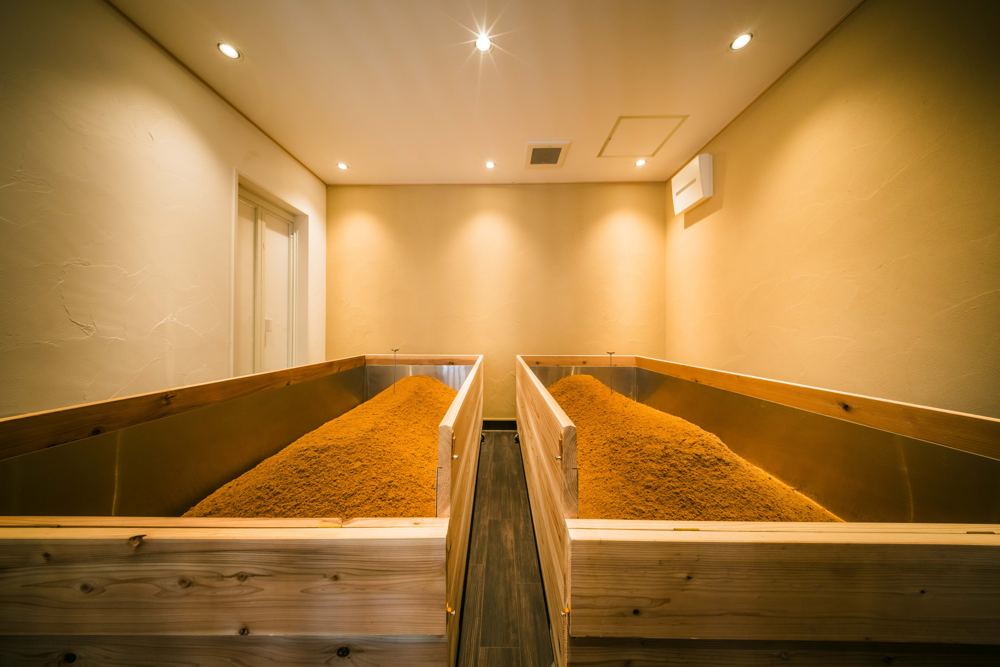
A Japanese enzyme bath is a dry bath. Instead of hot water or steam, guests lie in a bed of fine cypress sawdust and rice bran that grows warm through fermentation alone. No heater, no gas and no tub of hot water are used. The warmth comes from living microbes.
A staff member gently covers the guest up to the shoulders, and they rest for about 15 to 20 minutes, surrounded by the scent of wood and rice bran. Including changing, showering and relaxing afterward, a visit takes about 60 to 90 minutes. Many guests find the deep, enveloping warmth quite different from a sauna — gentler on the breath, and warm all the way around the body. Experiences vary from person to person.
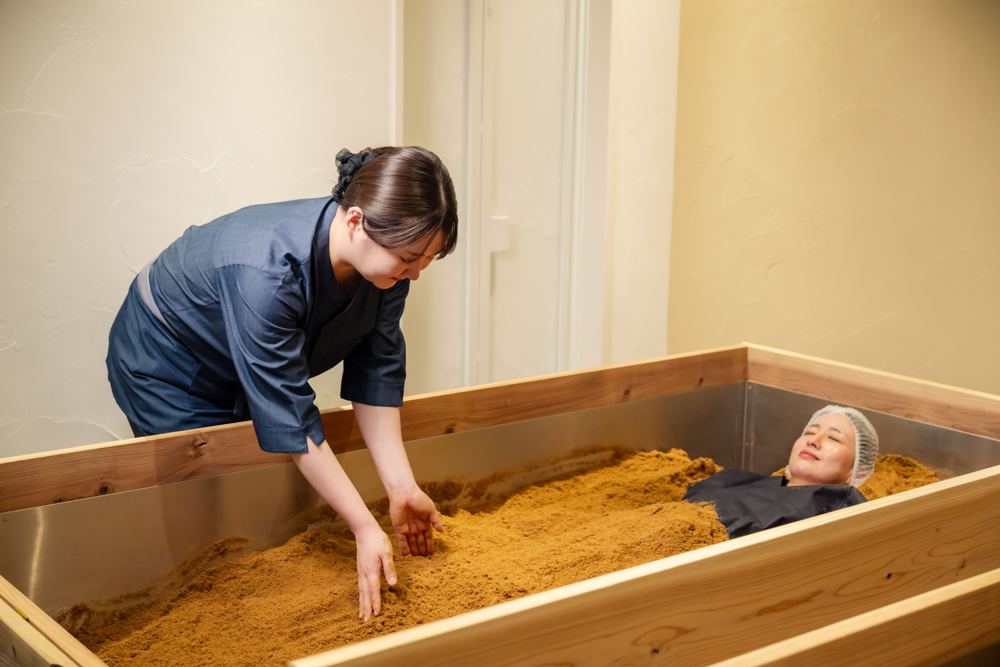
For a bathhouse, the enzyme bath brings several things at once:
- Something rare. Outside Japan, an authentic enzyme bath is still hard to find.
- A personal experience. Each session is one-to-one, which feels very different from a shared hot room.
- A sustainable story. The bath uses no water for bathing and no gas, and when the material is eventually replaced, it can be reused as compost.
- A compact footprint. Two tubs can serve up to 14 guests a day, so the bath can fit into a modest room within an existing facility.
- Guests who return. At our own shops in Japan, around 90% of guests come back.
Fitting it into your bathhouse experience
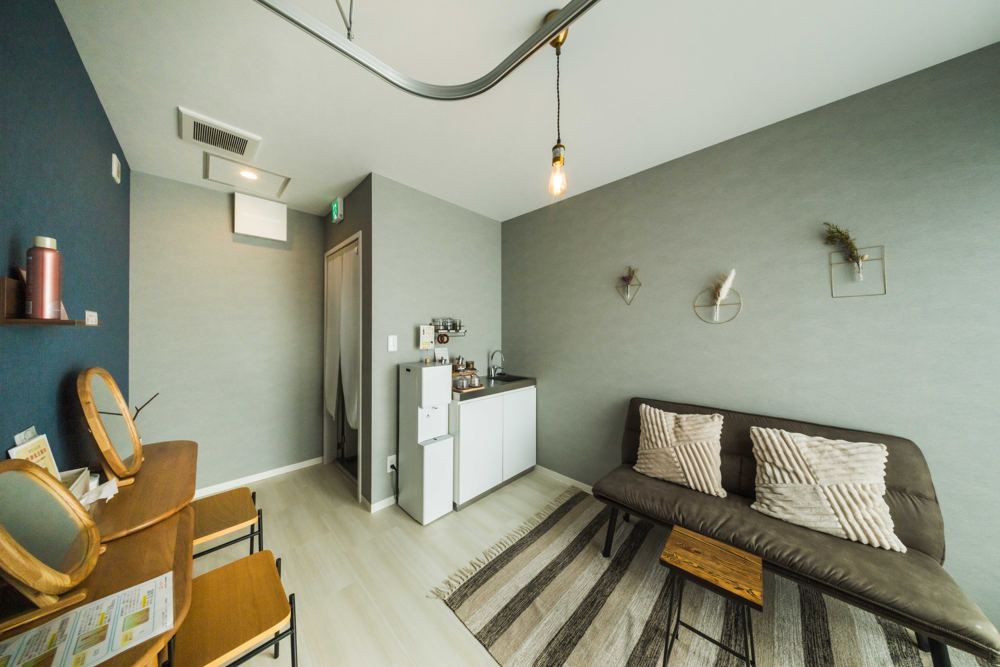
The enzyme bath works best when it is treated as its own experience rather than one more room on a circuit. Because each session is guided by staff, it pairs naturally with a quiet lounge, a cup of tea and unhurried time after the bath. Some owners think of it as a premium, bookable treatment; others build a whole visit around it. Either way, the key is to protect the calm, one-to-one feeling that makes it special.
It is also worth remembering that the enzyme bath is not a replacement for your sauna. Many bathhouse guests enjoy variety, and a dry bath warmed by fermentation gives them a new kind of warmth to discover alongside the facilities they already love.
What bathhouse owners should know before adding one
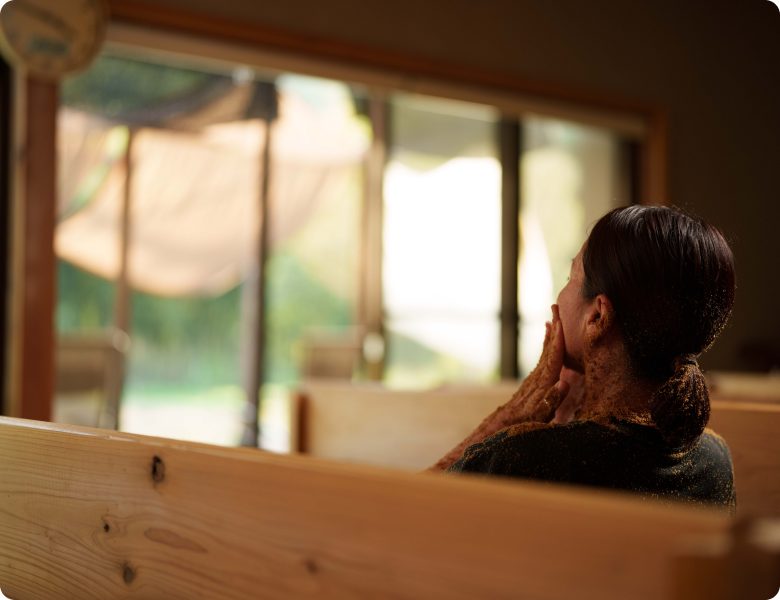
An enzyme bath is not equipment you install and switch on. The heat comes from living microbes, and fermentation shifts with the temperature and humidity of the room, the materials, the season and the number of guests. In a busy bathhouse, with its own heat, humidity and airflow, those conditions can be quite different from a small standalone shop. Reading these changes is a skill built through years of daily practice — not something easily learned from a book, a video or trial and error on your own.
Odor needs careful thought, too. Anything that ferments has some scent, so it is never zero. In Japan, as enzyme baths have spread, some shops have run into trouble with neighbors over the smell, and not a few have had to close. In a shared facility, where guests move between spaces, keeping odor low takes experienced care of the fermentation, the space and the flow of air from the very beginning.
Here is how the path looks with and without support:
- On your own: you search for and test materials yourself — and materials that look suitable on paper can behave very differently once they ferment. Setting up becomes trial and error while your room sits unused, and when the warmth drops or the scent changes, there is no one who knows your bath to ask. A small odor problem can quickly affect the rest of your facility.
- With experienced support: you train for 7 days in a working shop in Miyama, Kyoto, and receive a certificate. With our optional Opening Support, we help you choose materials, arrange shipping, build the fermentation environment in your own space and train on-site. With Annual Fermentation Care, you can get advice when fermentation becomes unstable and as the seasons and conditions change. Odor is considered from the start — including our original fermentation liquid, the space and the flow of air.
Learning from a team that has done it many times
Hakkou Ningen has supported more than 80 enzyme bath openings across Japan, from snowy Hokkaido to subtropical Okinawa. Even in Japan, not every shop gets fermentation right, so experience across very different climates matters. Our baths are known for their low odor: we have installed them in hotels, salons and even apartment rooms, and none of the shops we have supported has had to close because of odor. We can help arrange shipping of Japanese materials where quarantine rules allow — this depends on the country — or work with materials from your own country. We are now preparing our first overseas shop in Los Angeles. And it is not a franchise: you learn, receive a certificate and offer the enzyme bath under your own name.
Get the free program guide
Thinking about offering an enzyme bath in your country? Our free program guide includes pricing for each plan, a cost breakdown, a business simulation and the full training curriculum.
Message us on WhatsApp to get the guide — we will reply within three days. You can also learn more on our opening program page.
In your country too, experience
Japan’s enzyme bath.
Get the free program guide: pricing for each plan, a cost breakdown, a business simulation and the full training curriculum. Sent to you on WhatsApp within three days.


program guide


