
2026.11.10
Choosing a Location and Space for an Enzyme Bath
Choosing a location is one of the biggest decisions in opening an enzyme bath. Unlike a sauna or a hot tub, an enzyme bath is a living system: the heat comes from fermentation in a bed of cypress sawdust and rice bran, and that fermentation responds to the space around it. The right location and space make daily operation calmer and help guests feel at ease from the moment they arrive. In this guide, we share the points we think about when looking at an enzyme bath space, based on our experience with shops in Japan.
Start with the kind of shop you want to run
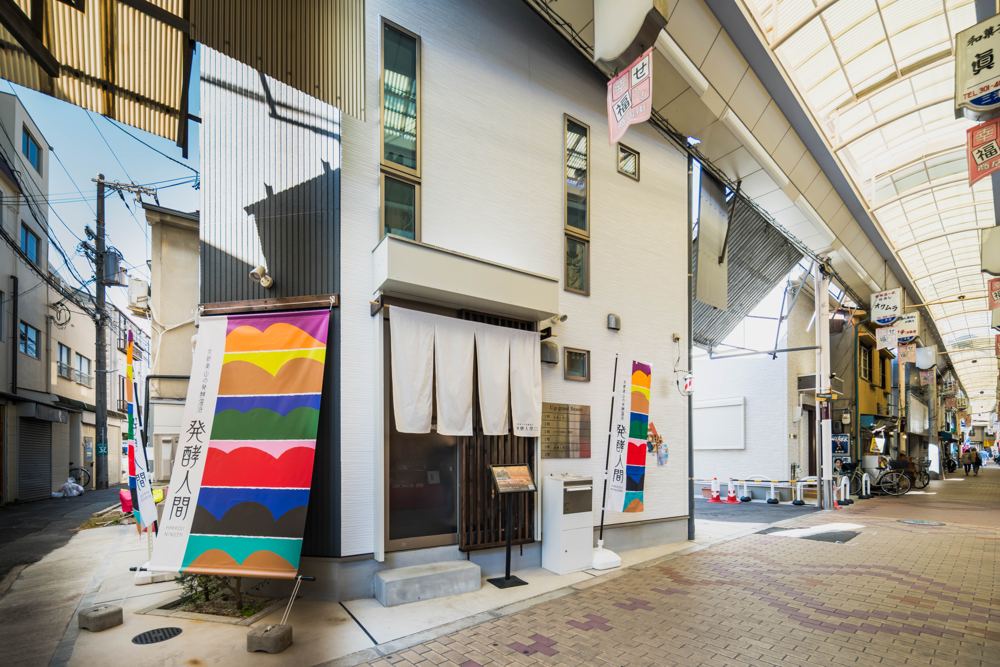
An enzyme bath does not need a large facility. A shop with two tubs can welcome up to 14 guests a day, and it fits into a fairly modest space. In Japan, enzyme baths run in many kinds of places: street-level shops, rooms within salons, hotels, and even single rooms in apartment buildings.
So before looking at listings, it helps to decide what kind of shop you have in mind. Will it be a stand-alone enzyme bath? A signature treatment added to an existing spa, sauna or bathhouse? A small private space run by one or two people? Each of these points you toward a different type of property — and a different kind of guest.
Think about the guest’s journey
A guest spends about 15 to 20 minutes in the bath, but the whole visit takes about 60 to 90 minutes. They arrive, change, lie in the warm bath, shower, and then often relax with a cup of tea. When you look at a space, walk through that journey in your mind:
- Arrival. Is the entrance easy to find and comfortable to walk into? Is there a calm place to greet guests one to one?
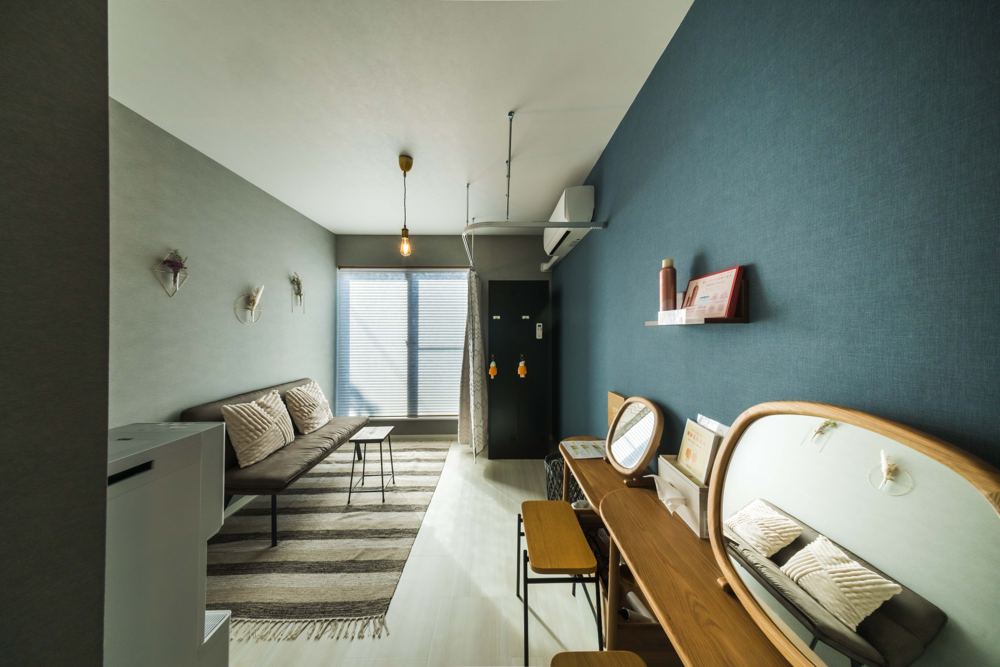
- Changing and showering. Guests need a private place to change and a shower after the bath, so access to water and drainage for the shower area matters, even though the bath itself uses no water.
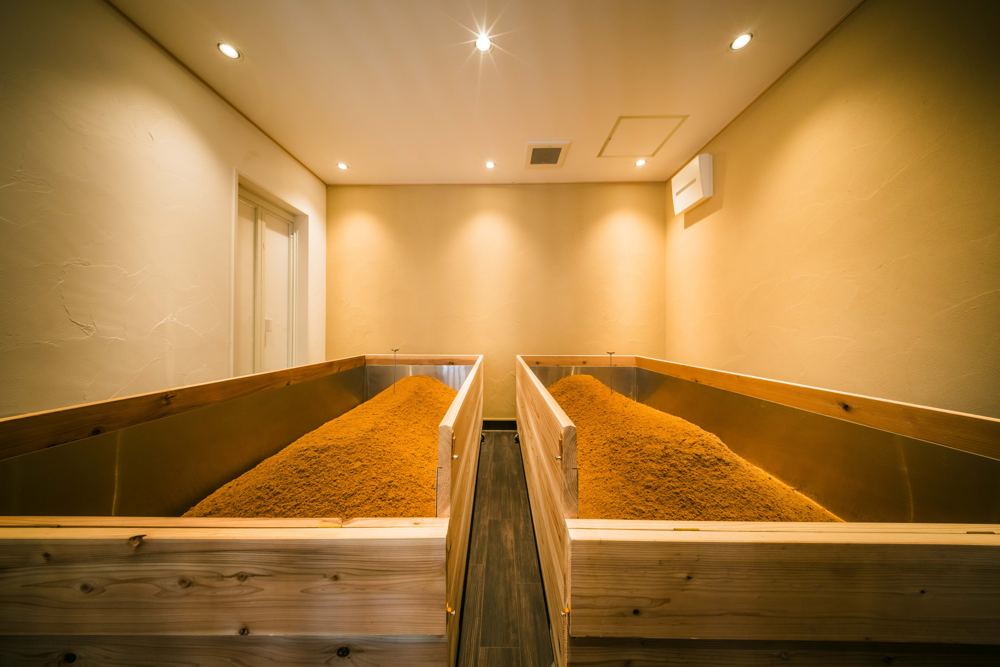
- The bath room. Is there room for the tubs, for staff to move around them, and for guests to get in and out without feeling rushed?
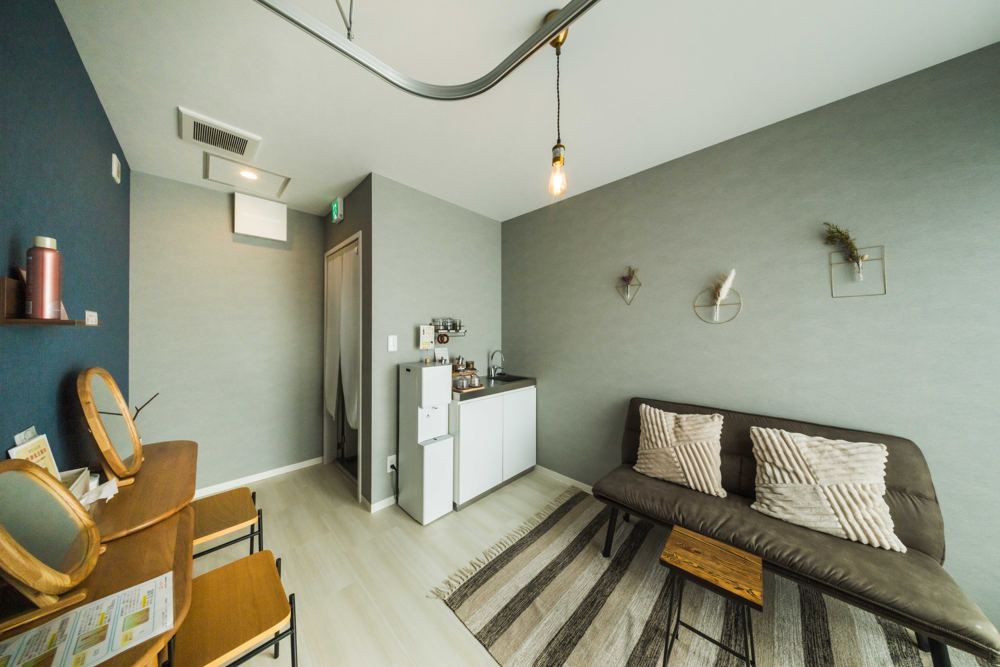
- Afterwards. Is there a quiet corner where guests can rest for a while before going back outside?
Because an enzyme bath is reservation-based and personal, a space that feels private and unhurried often matters more than a busy, high-visibility corner. At our own shops, around 90% of guests return — and the feeling of the space is part of what they come back for.
Neighbors and odor: the question to ask first
This is the point we would ask you to take most seriously. Fermentation has a scent. In Japan, the number of enzyme bath shops is growing, but it is not unusual for shops to run into trouble with neighbors over odor, and some have even had to close because of it. A location that seems perfect on paper can become difficult if the air from the bath room reaches the shop next door, the floor above or a shared hallway.
When you view a property, think about who is nearby — restaurants, offices, homes — and how air moves through the building. Ask about ventilation, shared ducts and windows, and check what your lease and local rules say about the type of business you plan to run.
Our enzyme baths are known for their low odor. They are not completely without scent — no fermentation is — but we have installed them in hotels, salons and even apartment rooms, and none of the shops we have supported has had to close because of odor. That comes not only from keeping the fermentation itself in good condition, but also from our original fermentation liquid, the way the space is arranged, and how the air flows through it. Thinking about these points at the location stage makes everything that follows easier.
Air, temperature and the building itself
Because the heat comes from living microbes, the conditions of the room affect the bath. Fermentation shifts with the temperature and humidity of the space, the season and the number of guests. A room that gets very cold in winter or very humid in summer will behave differently from one that stays steady.
We have supported more than 80 enzyme bath openings across Japan, from snowy Hokkaido to subtropical Okinawa, and each region asks for a slightly different approach. The same is true overseas: the climate of your city and the way your building is constructed will shape how fermentation needs to be managed. When looking at a space, notice how it holds warmth, how damp it feels and how easily fresh air can come in.
It is also worth confirming that the floor is suitable for tubs filled with material, which are heavy, and that surfaces near the tubs can be kept clean easily.
Access for materials and daily care
An enzyme bath is not only for guests; it also needs care. The fermentation bed is maintained every day after closing, and from time to time the material is replaced. Used material can be reused as compost rather than thrown away, so you will also want a practical way to move it out.
When you view a space, think about how bags of material will come in and go out. Is there an elevator or a ground-floor entrance? Is there somewhere to store material? Setting up the tubs and replacing the material are tasks we recommend doing in pairs, so a layout that leaves room to work together helps.
Where your material comes from also matters. Some owners want to use materials from Japan; we can support the shipping arrangements, but whether they can be shipped depends on the plant quarantine and import rules of your country. Others prefer locally sourced materials, which we can also work with.
Atmosphere: the part guests remember
Finally, there is the feeling of the place. An enzyme bath is an experience of the senses: the deep, enveloping warmth that comes only from fermentation, the scent of wood and rice bran, the quiet of the room. Natural materials, soft light and a calm sound environment support that experience. You do not need an elaborate interior, but a space that feels warm, clean and unhurried will suit the bath well. Outside Japan, where an authentic enzyme bath is still rare, that first impression is part of how guests understand what makes it special.
Why the space and the fermentation need to be planned together
An enzyme bath cannot be started just by renting a room and buying tubs. If fermentation does not settle into the space, the bath may not warm up properly, odor can appear and guests stop coming — while rent continues every month. That is why we believe it is worth learning from people who run enzyme baths every day.
In our overseas program, you train hands-on for 7 days in a working shop in Miyama, Kyoto, and receive a certificate on completion. As options, we can help set up fermentation in your own space and climate, and provide year-round fermentation care. It is not a franchise: you open under your own name.
Experience our enzyme baths in Japan
The best way to understand an enzyme bath is to lie in one. Hakkou Ningen runs two enzyme baths of our own in Japan:
- Osaka — Kanzakigawa shop: three stops from Osaka-Umeda on the Hankyu Kobe Line, then a 7-minute walk from Kanzakigawa Station. A fully private room for one or two guests, by reservation only, with an English-language guide available. Book online.
- Kyoto — Miyama main shop: our home in the countryside of Miyama, Kyoto, and the working shop where owners train hands-on for 7 days. The Miyama shop is closed to bath guests for the winter and reopens in April 2027.
If you are thinking about opening an enzyme bath, a session at one of our shops will show you exactly what you would be offering your own guests.
Get the free program guide
Thinking about offering an enzyme bath in your country? Our free program guide includes pricing for each plan, a cost breakdown, a business simulation and the full training curriculum.
Message us on WhatsApp to get the guide — we will reply within three days. You can also learn more on our opening program page.
In your country too, experience
Japan’s enzyme bath.
Get the free program guide: pricing for each plan, a cost breakdown, a business simulation and the full training curriculum. Sent to you on WhatsApp within three days.


program guide


