
2026.11.13
Hospitality That Brings Guests Back: Lessons from Japan
What makes guests come back to a spa or wellness business again and again? For a Japanese enzyme bath, the answer is less about a single impressive feature and more about hospitality: a steady, attentive welcome that guests can count on every time. At our own enzyme bath shops in Japan, around 90% of guests return, and our shop in Kyoto is booked up to three months ahead. In this article, we share the lessons about hospitality we have learned from running enzyme baths in Japan — and what they may mean if you are planning a wellness business in your own country.
Why hospitality matters so much in an enzyme bath
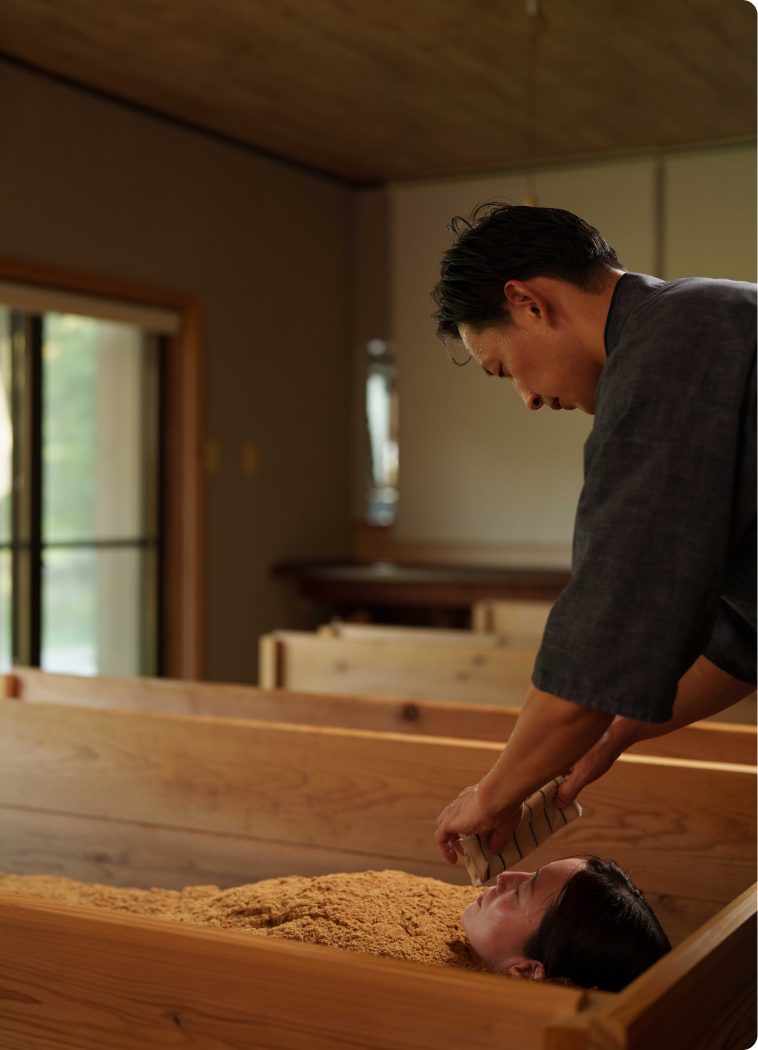
An enzyme bath is an intimate experience. Guests lie down in a bed of cypress sawdust and rice bran that is warmed only by fermentation, and a staff member gently covers them with the warm material. For about 15 to 20 minutes, they rest inside a deep, enveloping warmth, with the scent of wood and rice bran around them.
Because the experience is so close and so personal, the way guests are welcomed shapes everything. The same warmth can feel relaxing or uncomfortable depending on whether a guest feels at ease. For many first-time guests, an enzyme bath is something entirely new, and a little nervousness is natural. Hospitality is what turns that uncertainty into trust.
A small scale that allows real attention
A typical enzyme bath shop is small. With two tubs, a shop can welcome up to 14 guests a day, and each visit takes about 60 to 90 minutes. That is very different from a large bathhouse where hundreds of people pass through.
We see this scale as a strength. It gives staff time to greet each guest properly, to notice how they are feeling that day, and to remember them on their next visit. Hospitality in an enzyme bath is not a script delivered to a crowd. It is one person paying attention to another, one guest at a time.
Hospitality through the whole visit
Guests often remember the bath itself, but hospitality runs through every part of the visit. We think about it as a series of small moments, each of which matters:
- Before arrival. Clear information about what to expect, what to bring and how long the visit takes helps first-time guests feel prepared rather than anxious.
- The welcome. A calm, unhurried greeting sets the tone. Guests should feel that the staff have been expecting them, not that they are being processed.
- In the bath. Staff stay nearby while a guest is in the bath. Some guests enjoy a quiet conversation; others prefer silence. Finding the right distance for each person is part of the care.
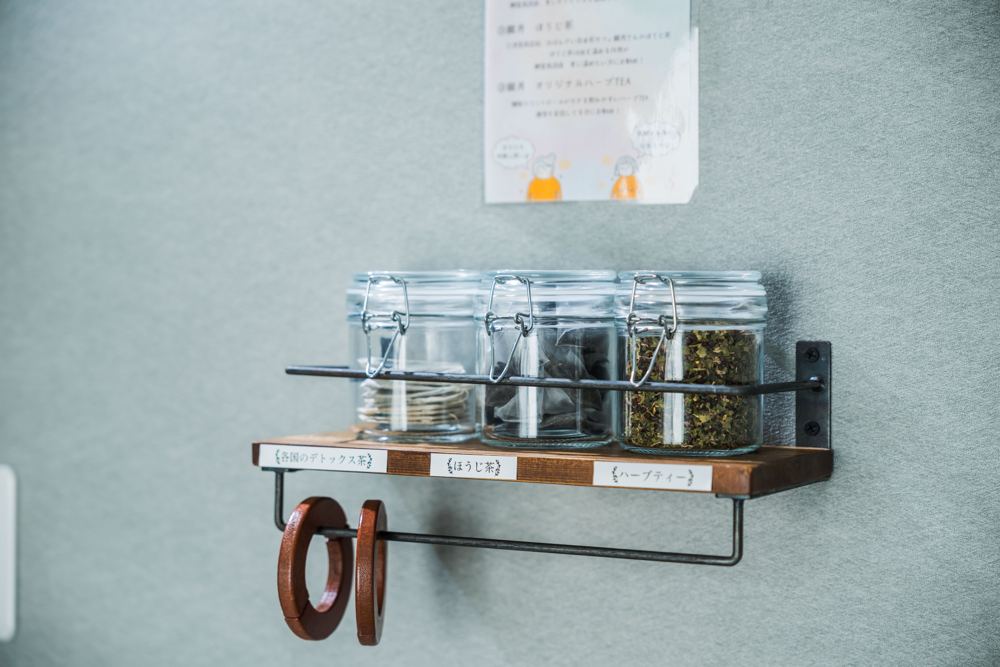
- After the bath. A quiet moment to rest, with a cup of tea, lets the experience settle before guests return to daily life.
- Saying goodbye. The end of the visit is often what guests carry home. A warm farewell, without pressure, leaves room for them to come back by their own choice.
None of these moments is complicated. What makes them work is consistency: doing them carefully for every guest, on busy days and quiet days alike.
Hospitality starts before the doors open
In an enzyme bath, some of the most important hospitality is invisible to guests. The warmth they enjoy comes from living microbes, and fermentation changes with the weather, the materials and the number of guests. A bath that does not warm up properly, or that smells stronger than usual, can undo even the kindest welcome.
That is why care for the bath is part of hospitality. At our shops, the fermentation bed is maintained after closing every day, and each morning begins with a check of the bath. We describe that morning check as “checking the health of a living thing.” Regular guests may not see this work, but they feel its result: a bath that is comfortable and consistent visit after visit.
The space matters too. Our enzyme baths are known for their low odor — not completely without scent, since no fermentation is, but low enough that we have installed them in hotels, salons and even apartment rooms. For a guest, a fresh, calm room with the gentle scent of wood is part of feeling welcome.
Bringing this kind of hospitality to another country
Hospitality looks a little different in every culture. The level of conversation guests expect, how they like to be greeted and what makes them feel at ease will vary from country to country — and from guest to guest. We do not believe hospitality should be copied word for word from Japan.
What travels well is the underlying approach: attention to each person, a calm and unhurried pace, steady quality every visit, and a space that feels cared for. An owner who understands why each moment matters can adapt the details to their own city and their own guests, while keeping what makes the enzyme bath special.
Outside Japan, an authentic enzyme bath is still rare. That means your guests will be discovering it for the first time — and the hospitality they meet on that first visit will shape whether they return.
Learning hospitality where it happens
Hospitality, like fermentation, is hard to learn from a manual alone. It is learned by watching, practicing and receiving feedback in a working shop. Not every enzyme bath gets this balance right, even in Japan — and when the bath itself is unstable, hospitality alone cannot keep guests coming back.
Hakkou Ningen has supported more than 80 enzyme bath openings across Japan, from snowy Hokkaido to subtropical Okinawa, and we are now preparing our first overseas shop in Los Angeles. In our overseas program, you train hands-on for 7 days in a working shop in Miyama, Kyoto — including how to guide guests through their bath — and receive a certificate on completion. As options, we can help set up fermentation in your own space and stay with you through annual fermentation care. We can support shipping materials from Japan (where your country’s quarantine rules allow) or work with materials from your own country. It is not a franchise: you open under your own name, and the hospitality you build will be your own.
Experience our enzyme baths in Japan
The best way to understand an enzyme bath is to lie in one. Hakkou Ningen runs two enzyme baths of our own in Japan:
- Osaka — Kanzakigawa shop: three stops from Osaka-Umeda on the Hankyu Kobe Line, then a 7-minute walk from Kanzakigawa Station. A fully private room for one or two guests, by reservation only, with an English-language guide available. Book online.
- Kyoto — Miyama main shop: our home in the countryside of Miyama, Kyoto, and the working shop where owners train hands-on for 7 days. The Miyama shop is closed to bath guests for the winter and reopens in April 2027.
If you are thinking about opening an enzyme bath, a session at one of our shops will show you exactly what you would be offering your own guests.
Get the free program guide
Thinking about offering an enzyme bath in your country? Our free program guide includes pricing for each plan, a cost breakdown, a business simulation and the full training curriculum.
Message us on WhatsApp to get the guide — we will reply within three days. You can also learn more on our opening program page.
In your country too, experience
Japan’s enzyme bath.
Get the free program guide: pricing for each plan, a cost breakdown, a business simulation and the full training curriculum. Sent to you on WhatsApp within three days.


program guide


