
2026.11.15
What to Look for in an Enzyme Bath Training Program: 7 Questions to Ask
If you are planning to open an enzyme bath business, choosing an enzyme bath training program may be the most important decision you make before opening. The tubs, the space and the materials all matter, but what keeps guests coming back is the skill of the people looking after the bath every day. In this article, we share seven questions you can ask any training program — ours included — to see whether it will really prepare you to run a shop.
Why the training matters more than the equipment
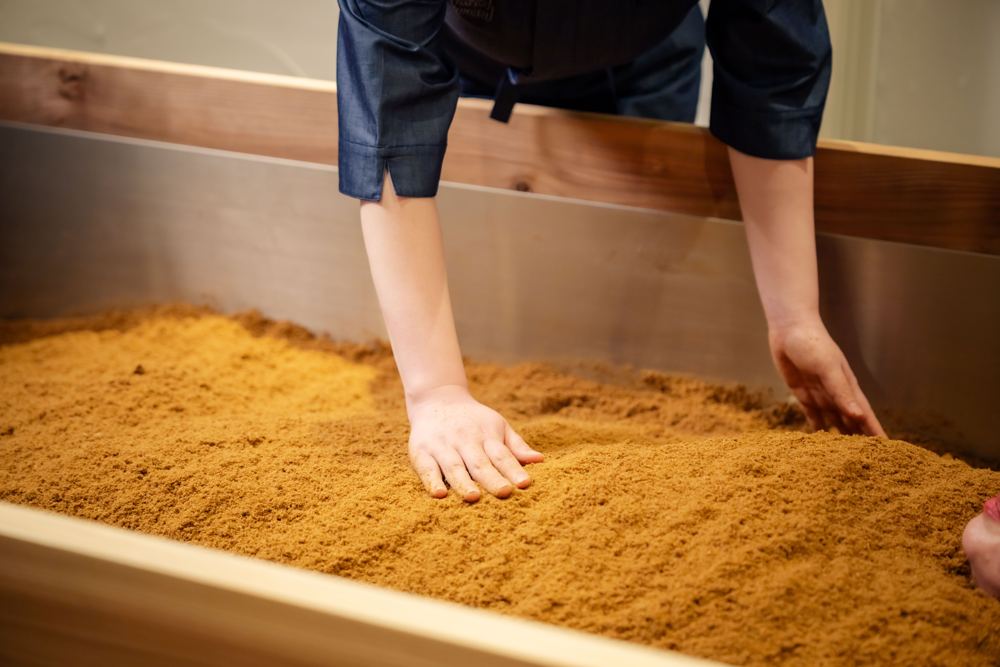
An enzyme bath is a rare kind of bath. Guests lie in a bed of cypress sawdust and rice bran that is warm from fermentation alone — no heater, no hot water. The scent of wood and rice bran, and warmth that wraps around the whole body, make it an experience many people have never had, especially outside Japan.
That warmth is created by living microbes, and fermentation shifts with temperature, humidity, materials, the season and the number of guests. Even small changes can mean the bath does not warm up, quality becomes uneven, or odors appear. You cannot buy your way out of these problems with better equipment. They are solved by people who understand fermentation and have learned to read it day after day. That is what a good training program should give you.
1. Where does the training take place?
Ask whether you will train in a working shop with real guests, or only in a classroom or a demonstration room. A working shop shows you things a lecture cannot: how the bath feels in the morning before opening, how staff move between guests, and how the day ends with maintenance after closing. It also shows you whether the trainers’ own shop is one that guests choose to return to.
2. Is it hands-on with real fermentation beds?
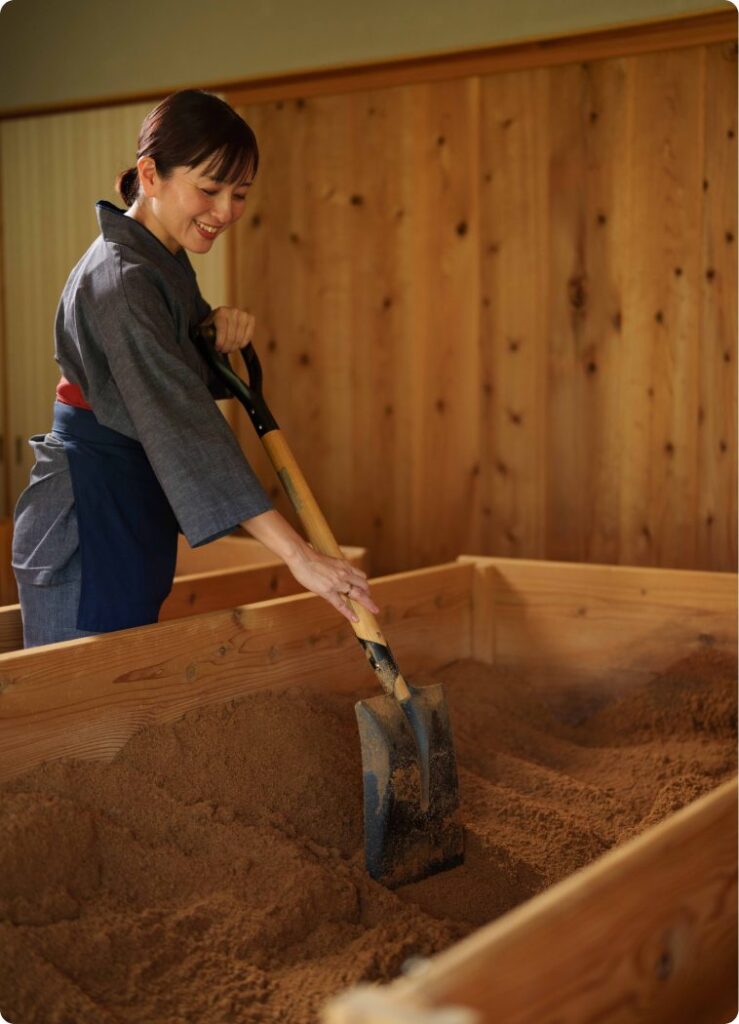
Reading about fermentation is useful, but it is not the same as putting your hands into a bed and feeling how warm it is, how moist it is and how it changes from one day to the next. Ask how much of the program you will spend working with real enzyme baths, and whether you will practise the daily care yourself rather than only watching. The physical side matters too: daily maintenance is real work, and it is better to experience it before you commit.
3. Does the curriculum cover the whole business?
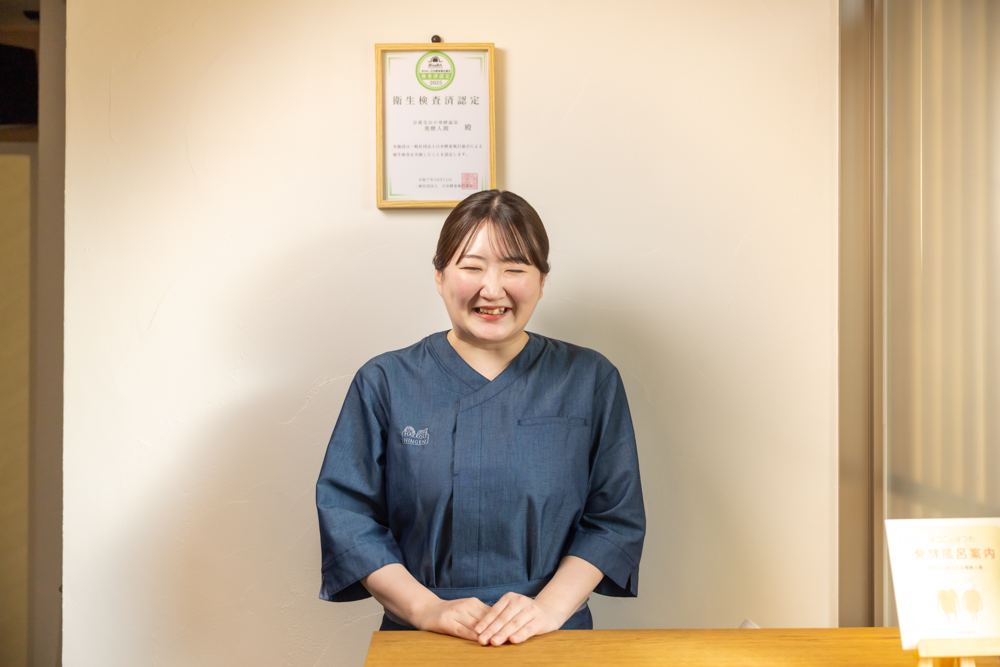
Making an enzyme bath is only one part of running one. A complete curriculum should also cover how to explain the enzyme bath to guests, how to guide them safely and comfortably before, during and after bathing, and how to run the shop from opening preparation to cleaning, hygiene and closing. Ask to see the curriculum in writing. If it focuses only on the bath itself, you may find yourself learning the rest by trial and error after opening — with guests waiting.
4. Will it prepare you for your own climate and materials?
Fermentation in a humid coastal city behaves differently from fermentation in a dry or cold one. Materials available in your country may also differ from those used in Japan. A good program should be honest about this and explain how you can adapt. Ask questions such as:
- Can materials be shipped from Japan to my country? (This depends on each country’s plant quarantine and import rules.)
- If I want to use local materials, how do I know which ones are suitable?
- How is odor managed — not only in the bath, but in the space and the air flow around it?
Odor deserves special attention. In Japan, as enzyme baths have spread, not every shop has managed it well, and some have had to close after trouble with neighbors. A program that takes odor seriously from the start will save you a great deal of worry later.
5. What support is there after you go home?
The first weeks after opening are when most questions come up. The bath may behave differently in your building than it did during training, or a change of season may surprise you. Ask what happens after the training ends: Is there a period when you can ask questions? Can someone help you set up fermentation in your own space, or train your staff on site? Is longer-term support available as the seasons change? Knowing this in advance helps you plan your opening calmly.
6. What does the certificate mean, and what are the terms?
A certificate is most useful when it clearly shows where and how you trained. Ask what it certifies and who it is issued to. Then read the terms carefully: Is the program a franchise, with ongoing rules about your brand and menu, or will you open under your own name? Is there a confidentiality agreement? How many people from your team can attend? Can you open more shops later, and under what conditions? Clear terms protect both you and the quality of the bath.
7. Can you see it before you decide?
Finally, ask whether you can visit before signing up. Seeing the training facility, meeting the instructors and lying in the bath yourself will tell you more than any brochure. If a program welcomes your visit and your questions, that is a good sign.
How our program answers these questions
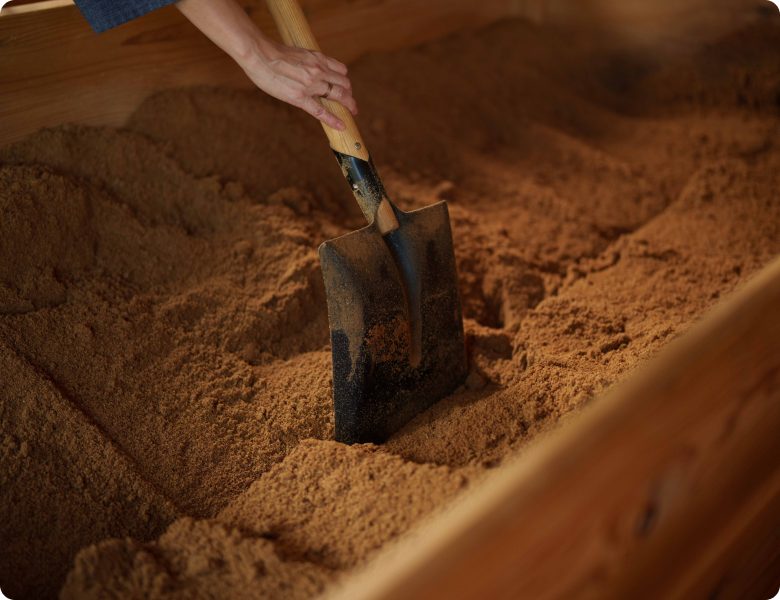
We built our overseas program around these same questions. You train hands-on for 7 days in a working shop in Miyama, Kyoto, across four modules: enzyme bath basics, bathing and guest guidance, daily operations, and maintenance. You receive a Hakkou Ningen certificate showing you trained in Japan, with one month of text-based Q&A support afterwards. It is not a franchise — you open under your own name. If you would like experts beside you at home, our Opening Support option can help with choosing materials, arranging shipping from Japan where quarantine rules allow, building the fermentation environment in your space and on-site training, and Annual Fermentation Care can follow you through the seasons. You can also visit us first on a one-day trial.
Behind the program is real experience: we have supported more than 80 enzyme bath openings across Japan, from snowy Hokkaido to subtropical Okinawa, and we are now preparing our first overseas shop in Los Angeles. Our baths are known for their low odor, and around 90% of guests at our own shops return.
Get the free program guide
Thinking about offering an enzyme bath in your country? Our free program guide includes pricing for each plan, a cost breakdown, a business simulation and the full training curriculum.
Message us on WhatsApp to get the guide — we will reply within three days. You can also learn more on our opening program page.
In your country too, experience
Japan’s enzyme bath.
Get the free program guide: pricing for each plan, a cost breakdown, a business simulation and the full training curriculum. Sent to you on WhatsApp within three days.


program guide


