
2026.11.23
Owner Story: From Office Worker to Enzyme Bath Owner
Many people who dream of opening an enzyme bath are not spa professionals. They are office workers, teachers, parents and career changers who once lay in a warm bed of fermenting cypress sawdust and rice bran and thought, “I want to share this.” If you are considering a move from office work to running your own enzyme bath, this owner story from Japan — and what it teaches about starting from zero — is for you.
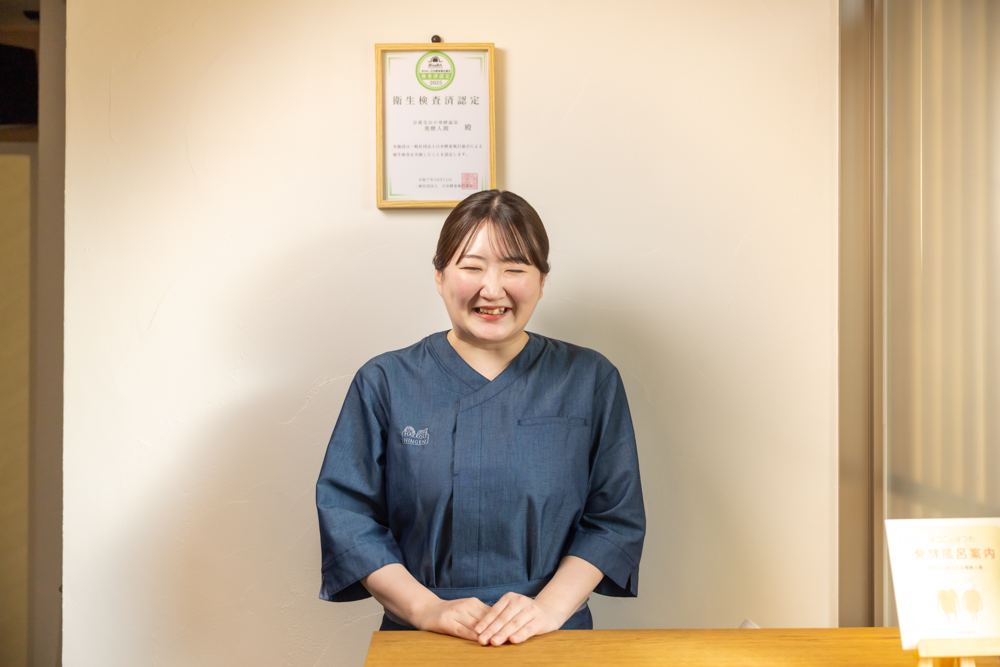
Starting from zero after years as an employee
The owner of Hakko Onyoku Nakayoshi, an enzyme bath in Japan, spent many years as a company employee before deciding to open a shop. In their own words: “After many years as a company employee, starting from zero felt a little scary.”
That feeling is honest, and very common. Leaving a steady job means giving up a regular salary, a familiar routine and colleagues to lean on. Opening an enzyme bath adds something more: you are not only starting a business, you are taking care of a living bath. The warmth comes from microbes at work in the bed, and that is very different from switching on a sauna heater.
What an office career gives you — and what it does not
Career changers often bring real strengths. Office work teaches you to plan, keep to schedules, communicate clearly, manage numbers and treat customers with care. These skills matter a great deal in a small wellness business, where the owner handles bookings, guest care, staff and daily operations.
What an office career does not give you is a feel for fermentation. Each day, the bed’s warmth, moisture and scent shift with the room’s temperature and humidity, the materials, the season and the number of guests. Reading those changes and responding to them is a skill built through years of daily practice in a working shop. It is not something you can pick up from a book, a video or trial and error on your own, however capable you are in your previous field.
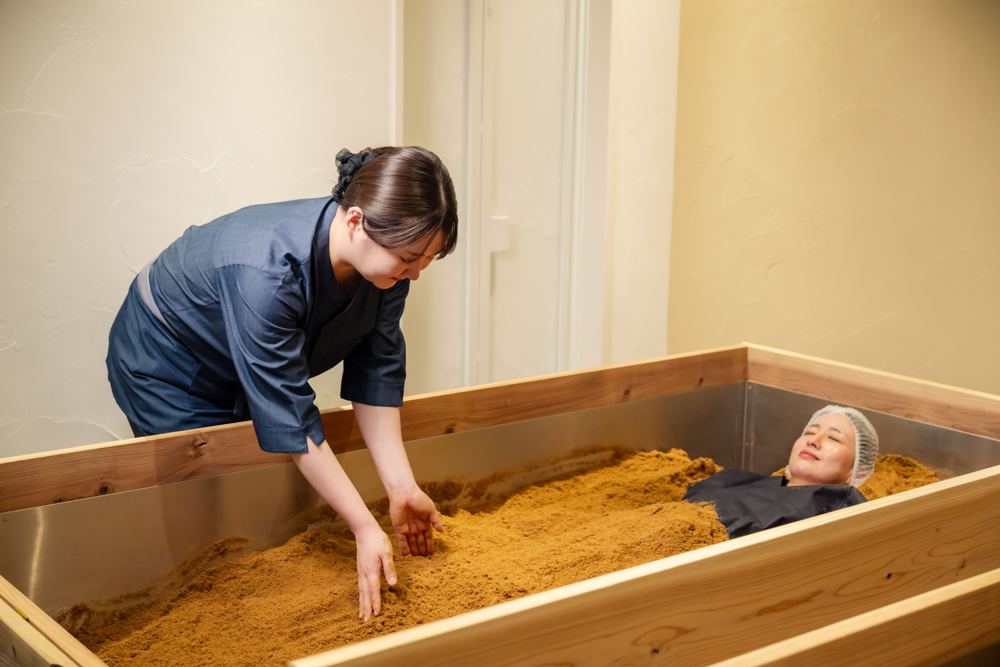
Enjoying the preparation instead of fearing it
For this owner, the time before opening turned out differently than expected: “Their passion and warm support meant I even enjoyed the preparation.”
Preparation is often the most stressful stage for a first-time owner. There are so many decisions, and every delay costs money while rent and wages keep running. When you can share each question with people who have done it many times, the same stage can become something you look forward to. You can focus on the parts that make your shop yours — the atmosphere, the welcome, the time guests spend after the bath — instead of worrying alone about whether the bath will warm up.
What keeps an owner going
Once the doors open, the work becomes a daily rhythm. Guests are welcomed one at a time; a staff member gently covers each guest up to the shoulders, and they rest for about 15 to 20 minutes in the scent of wood and rice bran. After closing, the beds are cared for every day — for one person looking after two tubs, this takes up to about an hour. It is physical work, yet among the owners we work with in Japan, there is a woman in her 60s who manages two tubs on her own.
What makes it worth it? For the owner of Nakayoshi, the answer is the guests: “Now, guests’ smiles and words like ‘I always feel energized here’ keep me going every day.” We feel the same at our own shops: the reward is seeing the same faces come back. At our own shops in Japan, around 90% of guests return.
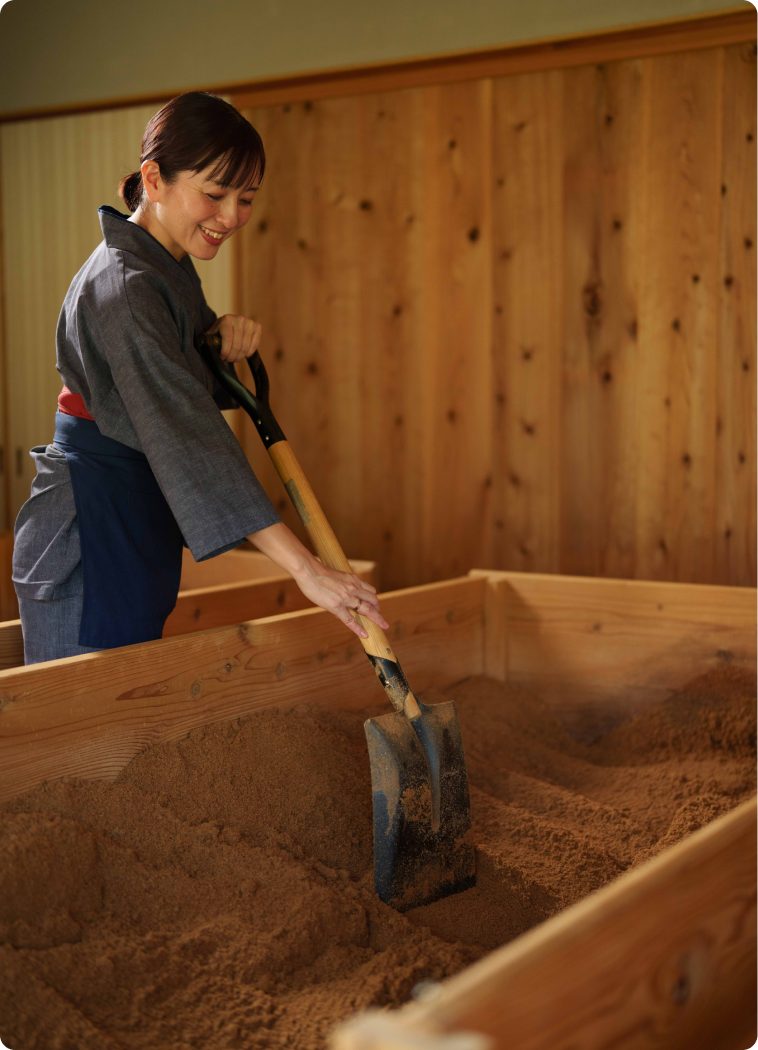
Never carrying everything alone
The last part of this owner’s story may be the most important: “They are still beside me after opening, so I never have to carry everything alone.”
Opening day is not the finish line. The first summer, the first winter, a busy week or a change in materials can all affect fermentation. If the warmth drops or the scent changes, guests notice quickly. In Japan, as enzyme baths have spread, some shops have run into trouble with neighbors over odor, and not a few have had to close. For a career changer without years of hands-on experience, having experienced people to turn to after opening is what makes the business sustainable.
If you are planning to open outside Japan, here is how the two paths compare:
- On your own: you search for and test materials yourself, and materials that look suitable on paper can behave very differently once they ferment. Setting up becomes trial and error while rent and wages keep running and opening day slips. When the warmth drops or the scent changes, there is no one who knows your bath to ask, and a small odor problem can grow into complaints from neighbors.
- With experienced support: you train hands-on for 7 days in a working shop in Miyama, Kyoto, and receive a certificate. With our optional Opening Support, we help you choose materials, arrange shipping, build the fermentation environment in your own space and train on-site. With Annual Fermentation Care, you can get advice when fermentation becomes unstable and as the seasons and guest numbers change. Odor is considered from the start, including our original fermentation liquid, the space and the flow of air.
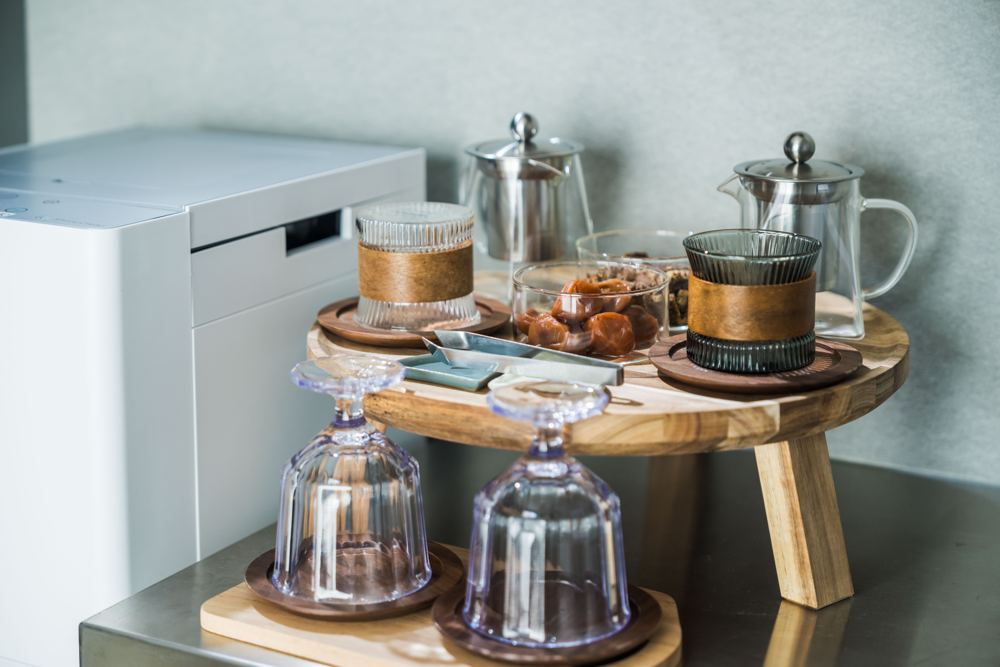
Learning from a team that has walked this path many times
The owner of Nakayoshi opened in Japan, with support from Hakkou Ningen. We have supported more than 80 enzyme bath openings across Japan, from snowy Hokkaido to subtropical Okinawa. Our baths are known for their low odor: we have installed them in hotels, salons and even apartment rooms, and none of the shops we have supported has had to close because of odor. We can help arrange shipping of Japanese materials where quarantine rules allow — this depends on the country — or work with materials from your own country. We are now preparing our first overseas shop in Los Angeles. And it is not a franchise: you learn, receive a certificate and open under your own shop name — just as each of the owners we have supported in Japan opened under their own name and concept.
Experience our enzyme baths in Japan
The best way to understand an enzyme bath is to lie in one. Hakkou Ningen runs two enzyme baths of our own in Japan:
- Osaka — Kanzakigawa shop: three stops from Osaka-Umeda on the Hankyu Kobe Line, then a 7-minute walk from Kanzakigawa Station. A fully private room for one or two guests, by reservation only, with an English-language guide available. Book online.
- Kyoto — Miyama main shop: our home in the countryside of Miyama, Kyoto, and the working shop where owners train hands-on for 7 days. The Miyama shop is closed to bath guests for the winter and reopens in April 2027.
If you are thinking about opening an enzyme bath, a session at one of our shops will show you exactly what you would be offering your own guests.
Get the free program guide
Thinking about offering an enzyme bath in your country? Our free program guide includes pricing for each plan, a cost breakdown, a business simulation and the full training curriculum.
Message us on WhatsApp to get the guide — we will reply within three days. You can also learn more on our opening program page.
In your country too, experience
Japan’s enzyme bath.
Get the free program guide: pricing for each plan, a cost breakdown, a business simulation and the full training curriculum. Sent to you on WhatsApp within three days.


program guide


